Our group is interested in asking questions that facilitate the understanding of design principles of various biological systems. We employ various computational techniques including constraint-based genome-scale modeling, graph theory, condition-specific statistical inference of biological networks and machine learning applications to discover new molecular/pathway mechanisms from raw biological data. As discovering molecular pathway mechanisms is the main goal of our lab, we heavily rely on integrating 'omics' data into various biological networks namely metabolism, gene regulation and protein-protein interaction networks. We are specifically interested in projects related to condition-specific metabolic adaptations of organisms, interspecies interactions during infection and disease-specific changes in immunometabolism.
Constraint-based genome-scale modeling, graph theory, and condition-specific inference of biological networks.
Integration of transcriptomics, proteomics, single-cell RNA-seq, and metabolomics into biological networks.
Metabolic adaptations in parasites and pathogens; host-parasite metabolic interactions and immunometabolism.
Machine learning pipelines, kinetic modeling, and statistical regression to discover essential enzymes and biomarkers.
Host-parasite metabolic interactions in Cryptosporidium, Cryptococcus, and Aspergillus infections; innate immunometabolism.
Biology of diseases and disorders - integrating large-scale omics datasets to uncover pathway-level mechanisms.
Our group is interested in asking questions that facilitate the understanding of design principles of various biological systems. We employ constraint-based genome-scale modeling, graph theory, condition-specific statistical inference of biological networks and machine learning applications to discover new molecular/pathway mechanisms from raw biological data.
As discovering molecular pathway mechanisms is the main goal of our lab, we heavily rely on integrating 'omics' data into various biological networks — metabolism, gene regulation, and protein-protein interaction networks. We are specifically interested in projects related to condition-specific metabolic adaptations, interspecies interactions during infection and disease-specific changes in immunometabolism.
Leveraging high-throughput omics datasets to uncover functional biological mechanisms at the systems level, spanning metabolism, gene regulation, and protein interaction.
Understanding the molecular and metabolic basis of infectious diseases and immune dysregulation through computational approaches applied to transcriptomics and metabolomics data.
Interested in working with us, developing new ideas, collaborating with us or have queries? Feel free to contact us.
We collaborate with leading researchers across institutions in India and internationally, spanning biomedical engineering, vascular biology, microbiology, and systems biology.
We collaborate with industrial pioneers to translate academic models into sustainable biotechnology solutions.
We welcome collaborations from experimentalists, clinicians, and computational biologists who are interested in decoding mechanisms of disease using omics data and systems biology approaches.
A group of passionate and motivated researchers tackling exciting questions at the interface of computational biology, immunology, and systems medicine.
Peer-reviewed publications, patents, and book chapters from the lab and collaborative research.
Open-source platforms and pipelines developed by our lab for systems biology and multi-omics analysis.
A visualization-centric platform for interactive analysis of genome-scale metabolic networks. Enables semi-automated metabolic reconstruction and flux analysis with intuitive pathway visualization.
◆ Python ◆ Metabolic Modeling ◆ VisualizationAll tools and code developed by the BNSB Lab are open source and available on our GitHub organization page. We encourage reuse, contributions, and collaborations.
GitHub Organization →The BNSB Lab is actively involved in organizing scientific events, workshops, and summer schools, in addition to our day-to-day research activities.
Dr. Abhishek Subramanian is offering a new online certificate course for the July – October 2026 semester. This course bridges the gap between computational tools and biological data, introducing core machine learning techniques and their applications to genomics, proteomics, and multi-omics datasets.
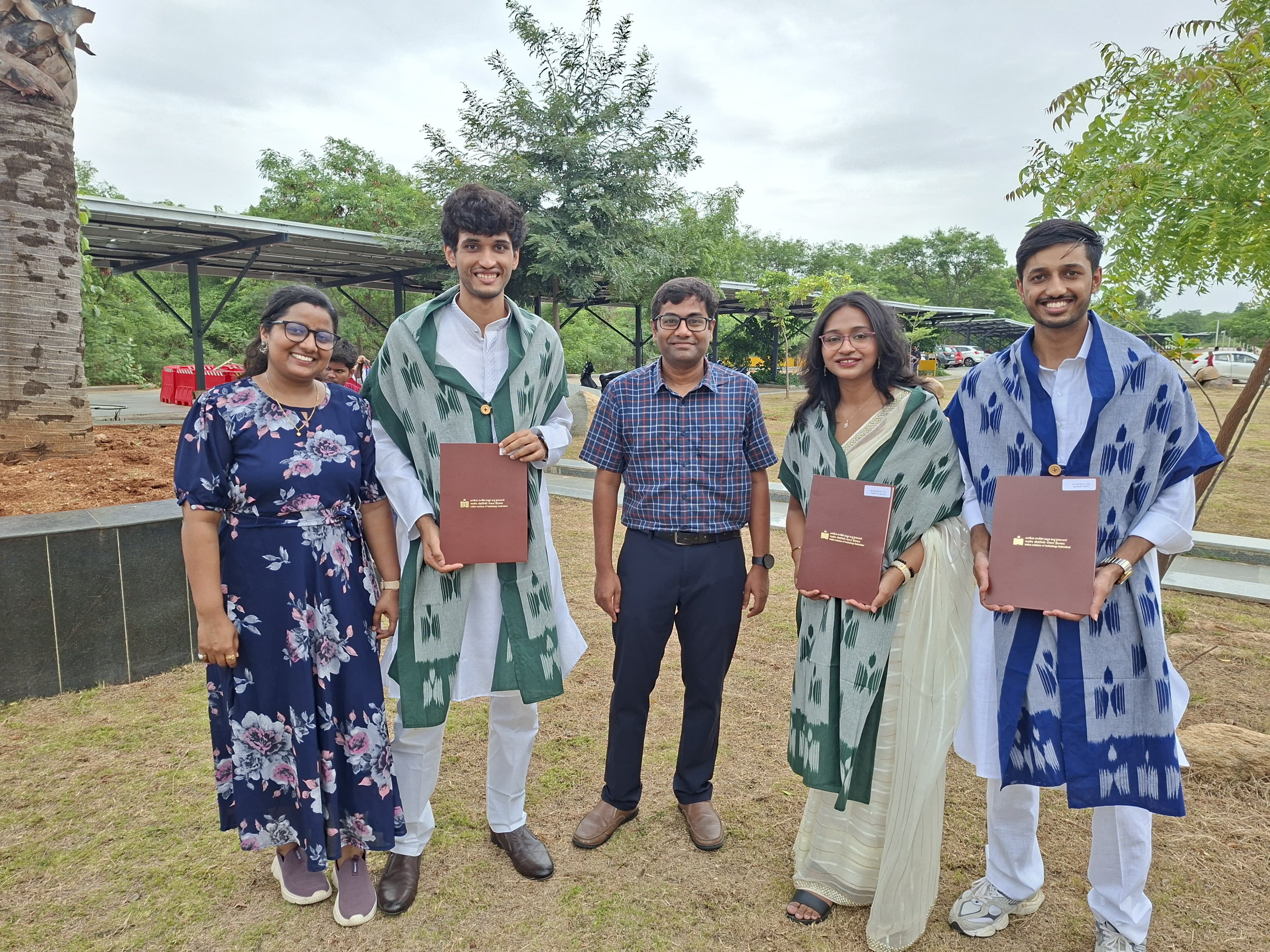
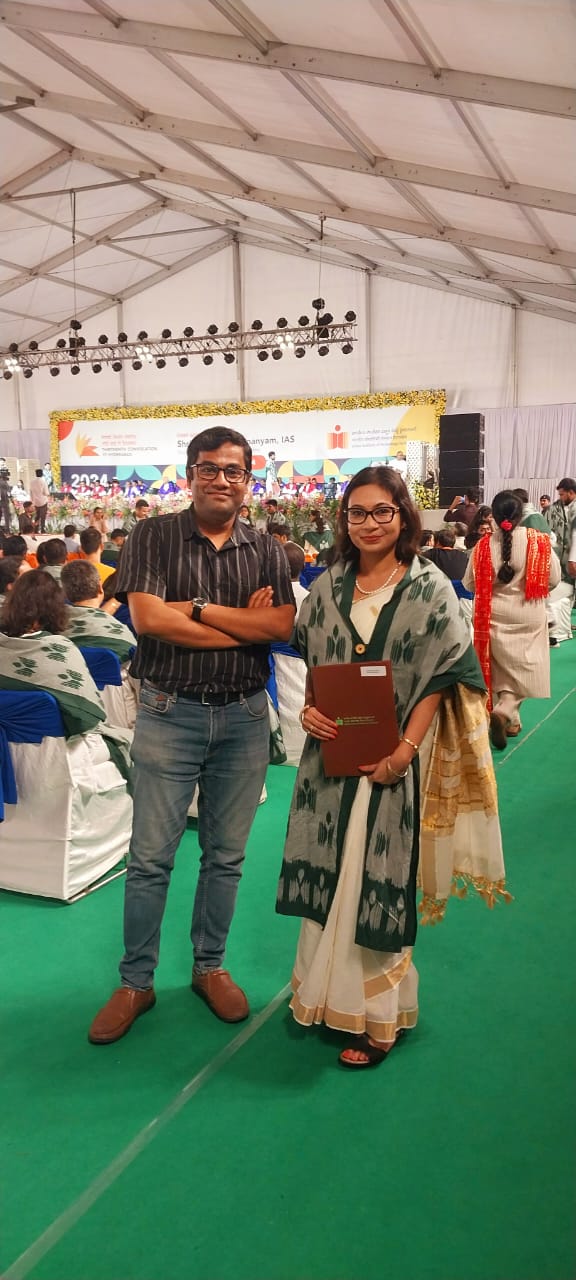
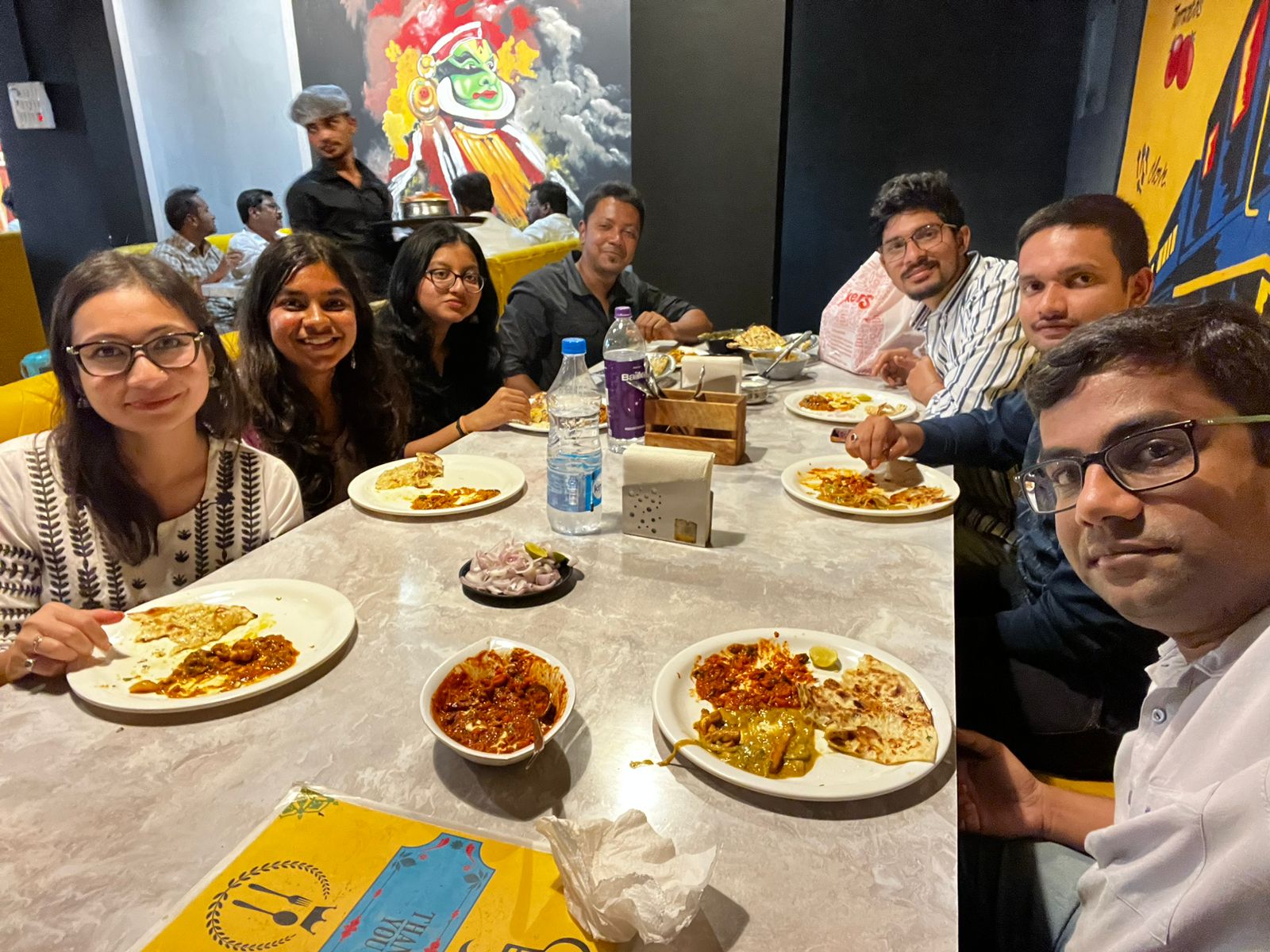
Moments from conferences, workshops, lab activities and team outings.
We are always looking for self-motivated, passionate individuals who can think independently, come up with their own ideas, step out of their comfort zone and plunge into the exciting field of systems biology.
If you are interested in working or interacting with our group, feel free to email us at abhisheks+vacancy@bt.iith.ac.in (for positions/vacancies) or sysbiolab407@gmail.com (for general inquiries). We welcome out-of-the-box, unconventional thinking that can lead towards disruptive science.